
Breaking the barrier to the brain.
Clinic-grade brain stimulation you use at home, guided by your phone and adapted by AI, without surgery, a hospital visit or an MRI.
TRL 5, pre-clinical pilot. Working proof of concept with validated spatial accuracy. Not yet a medical device. All performance figures shown are design targets pending clinical confirmation.
Drag to rotate · double-click to zoom in · choose a target below
Design targets, dose-limited. Pending clinical confirmation.
01 The gap
Most people who could benefit from brain stimulation cannot get it.
Implants are years away, and almost nobody wants one. Clinic systems work, but only in a hospital with a scanner. Consumer wearables are affordable and cannot reach deep structures precisely.
- 2.7bn
-
people will face anxiety, depression or cognitive fatigue in their lifetime, roughly 1 in 3.
- 400
-
deep brain stimulation procedures per year in the UK, across just 12 hospitals.
- 98%
-
of people we surveyed would not consider a brain implant. The demand is for something non-invasive.
DeepBrain survey respondents
02 Mechanism
Clinic-grade targeting,
guided by a phone.
An ultrasound triangulation system pairs with a smartphone to guide stimulation to the right place, every session. A closed loop then reads your biosignals and adapts the dose in real time.
- Target
- Thalamus
- Focal depth
- ~55 mm
- Array
- Seating
Drag the focus, or use the arrow keys. Every brain is different, so we personalise the target for you.
-
01
Precise placement
Put on the headset and the phone guides it into place, so the focal point lands on target without an MRI.
-
02
Reach the right target
Focused ultrasound reaches deep structures such as the thalamus and amygdala that generic wearables cannot address.
-
03
Adapt with AI
A closed loop reads EEG and HRV and tunes the dose during the session, and refines its settings from one session to the next.
03 Product
Illustrative data shown.
Smartphone sensors guide placement. No MRI required. Illustrative data shown.
Illustrative data shown.
Illustrative data shown.
A clinic in your hands.
The companion app turns a complex therapy into a few simple taps: place, target, monitor and review. Clinicians stay in the loop with remote oversight throughout.
-
Guided placement
Step-by-step positioning so every session hits the intended target.
-
Real-time monitoring
EEG and HRV are read live and feed the closed loop that adapts the dose.
-
Clinician oversight
Sessions, adherence and safety limits are visible to your clinician remotely.
04 Comparison
The only approach that does all three.
Precision, home use and AI adaptation rarely live in the same device. DeepBrain is designed to bring them together.
| Capability | Implants | Clinic systems | Consumer wearables | DeepBrain |
|---|---|---|---|---|
| Non-invasive | No | Yes | Yes | Yes |
| Reaches deeper targets | Yes | Yes | No | Yes |
| Designed for home use | No | No | Yes | Yes |
| No MRI required | n/a | No | Yes | Yes |
| AI personalisation | Limited | Limited | No | Yes |
Comparison reflects DeepBrain’s design intent versus typical alternatives. All performance figures are design targets pending clinical confirmation.
05 Safety
Safety is built into the device.
Home use has to be safe by default, so these controls are part of the design from the start.
-
DOSE
Dose ceilings
Hard limits cap intensity and duration, with one supervised session per day to prevent overuse.
-
SIGNAL
Live monitoring
Biosignals are checked continuously, so the system can stop or adjust if readings fall outside expected ranges.
-
OVERSIGHT
Clinician oversight
Remote supervision keeps a qualified professional in the loop for home sessions.
-
ACCESS
Secure by default
Device integrity and access controls, informed by security engineering expertise, guard against misuse.
06 Roadmap
From the lab to the living room.
Clinic validation
Working proof of concept with validated spatial accuracy. Next, clinic-led feasibility pilots to generate outcome data, starting with depression.
Clinical pilot
Structured clinician interviews and a clinical pilot, with safety, monitoring and the regulatory pathway toward UKCA and CE marking.
Supervised home use
Early rollouts of supervised home programmes with clinics and NHS innovation hubs, bundled with monitoring and personalisation software.
07 Team
Who is building DeepBrain.
Neuromodulation, brain-network science, biomedical engineering, AI and commercial execution, in one team.
-
 Om RoyCEO · AI and neuromodulationUniversity of Strathclyde
 -
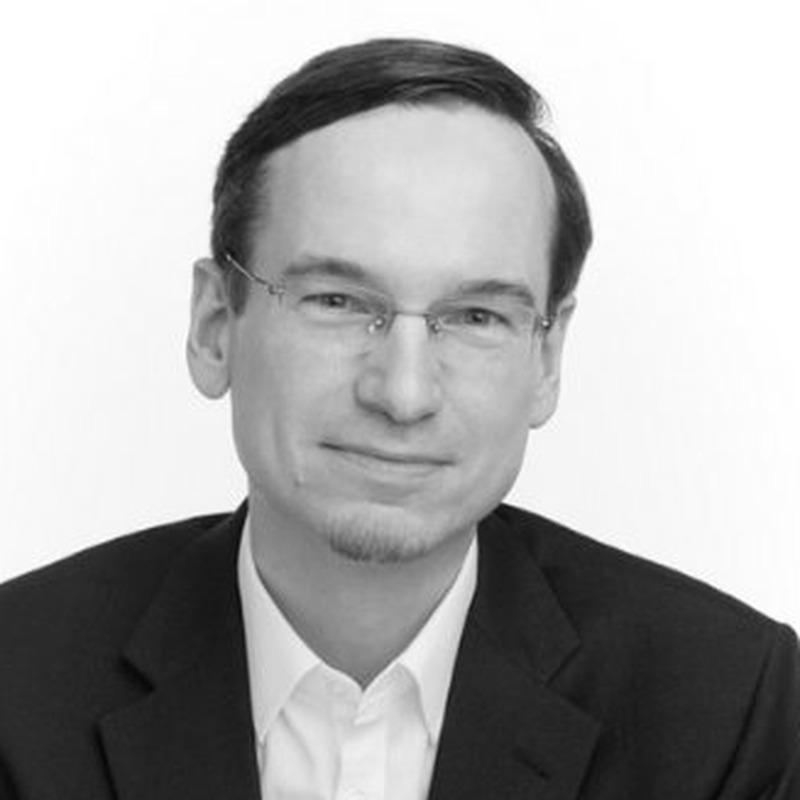 Prof. Marcus KaiserCSO · Brain networksUniversity of Nottingham
 -
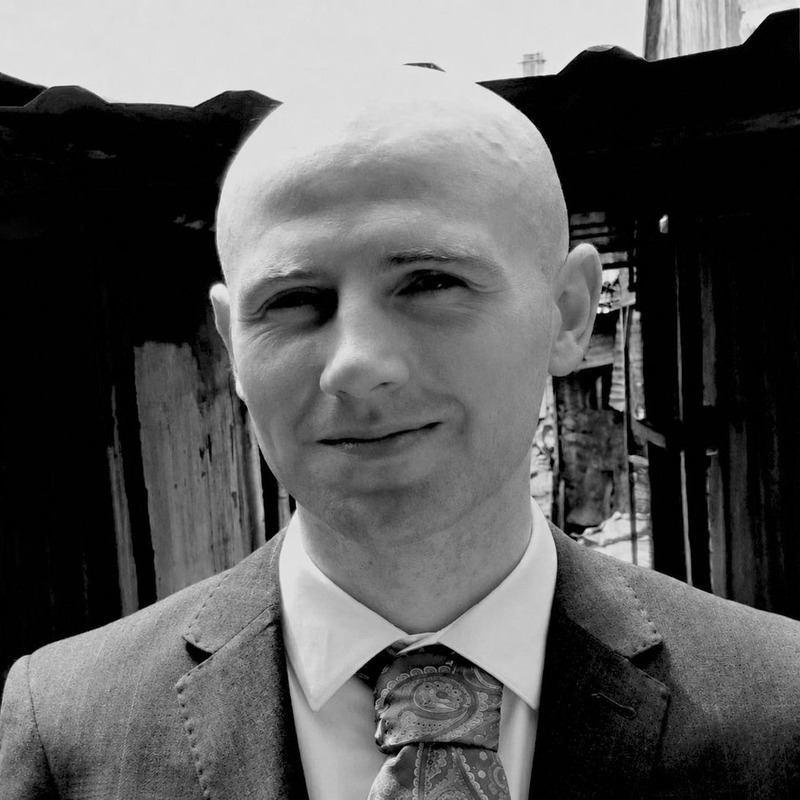 Dr. Keith SmithBiomedical LeadUniversity of Strathclyde
 -
 Dr. Yashar MoshfeghiAI LeadUniversity of Strathclyde
 -
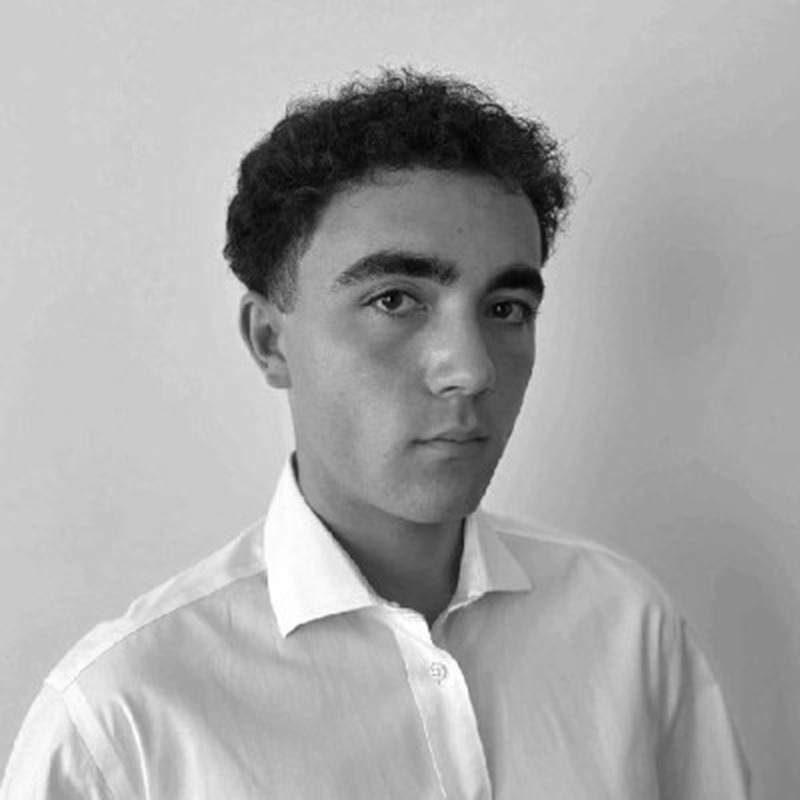 Alex ChristouBusiness DevelopmentUniversity of Strathclyde
- Peter SchlechtVenture capital
- Prof. Feng HaoCambridge · Security engineering
- Paul CableCEO · NeuPulse
- Jon HackerCEO · NeurGear
- Dave HughesCEO · Halya
08 Questions
Common questions.
Not yet. DeepBrain is at an early stage with a working proof of concept and validated spatial accuracy data. We are building clinical evidence with partner clinics before any home use. All clinical performance figures shown are design targets pending clinical confirmation.
Consumer headbands are affordable but generic and do not reach deeper structures with any precision. Clinic systems are precise but expensive and tied to hospital visits. DeepBrain aims to combine clinic-grade precision guidance with home use and AI personalisation in a single non-invasive device.
No. The approach is non-invasive and uses a smartphone-based precision guidance system rather than an MRI scan, which is central to making repeated sessions practical and affordable.
Safety is designed in: session limits, dose ceilings, real-time biosignal monitoring and remote clinician oversight. Controls are built to prevent overuse and to flag anything that falls outside expected ranges.
A team spanning neuromodulation, brain-network science, biomedical engineering, AI and commercial execution, drawn from the Universities of Nottingham and Strathclyde, with an advisory board across venture capital, security engineering and neurotech.
Be first to bring the clinic home.
Join the waitlist for development updates, pilot opportunities and early access as DeepBrain moves from the lab toward the home.
We only use your email for waitlist updates. Privacy Policy